









Gratitude Routines that Rewire Desire
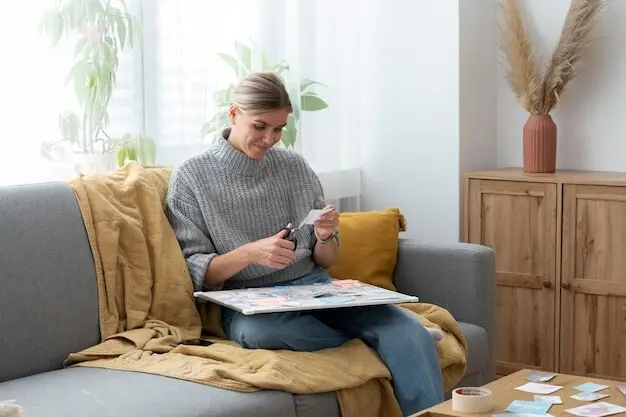
Try a nightly gratitude list naming three items already owned and how they still help. Rotate spotlights—favorite pencils, a well-worn hoodie, a puzzle traded with neighbors. This quiet practice softens cravings and elevates stewardship. Add a weekly photo collage celebrating mended, shared, or rediscovered things. Encourage readers to post their routines or collages, showing how consistent appreciation tempers impulse buying and roots kids in sufficiency without lectures, replacing restless scrolling with tender pride in the useful, humble objects that support their everyday adventures.

Value-Based Spending Questions
Teach children to ask: Does this align with my interests? Will it last? How often will I use it? What will I give up to get it? Encourage them to score items using simple stars, then compare options. Discuss trade-offs openly, respecting their conclusions. Add a family rule that for big purchases, two unrelated values must be honored. Ask readers to share their favorite questions and scoring sheets, building a communal library that keeps spending conversations thoughtful, kind, and refreshingly cooperative rather than combative.

Saying No with Warmth and Reason
Practice kind refusals: acknowledge the appeal, explain the value conflict, offer an alternative timeframe or thrift option, and reaffirm love. This dignifies the child while protecting priorities. Role-play store scenarios at home, then celebrate graceful "no" moments later. Invite readers to contribute phrases that helped them decline purchases while preserving connection, proving that boundaries and affection can coexist beautifully, and that a well-placed pause often teaches more about strength and care than any lecture ever could within a busy shopping aisle.